

For the first time in decades, major luxury brands are seeing their revenue and/or profits decline across the board. But why? Is the luxury industry in trouble?…
Let’s start by trying to define what “luxury” is, if you don’t mind.
In the Roman sense of the term, the origin of the word “luxury” can be traced back to the Latin “luxuria,” which means “extravagance or excess.” The ancient Romans used “luxuria” to describe a rebellious lifestyle and sinful excesses.
In a purely literary sense, dictionaries define it as a “lifestyle characterized by lavish spending on nonessentials,” meaning opulence, superficiality, and abundance.
In the French sense of the term, one would tend to talk about exceptional quality, rarity, and price (for once, we’re world champions in a field other than taxes…).
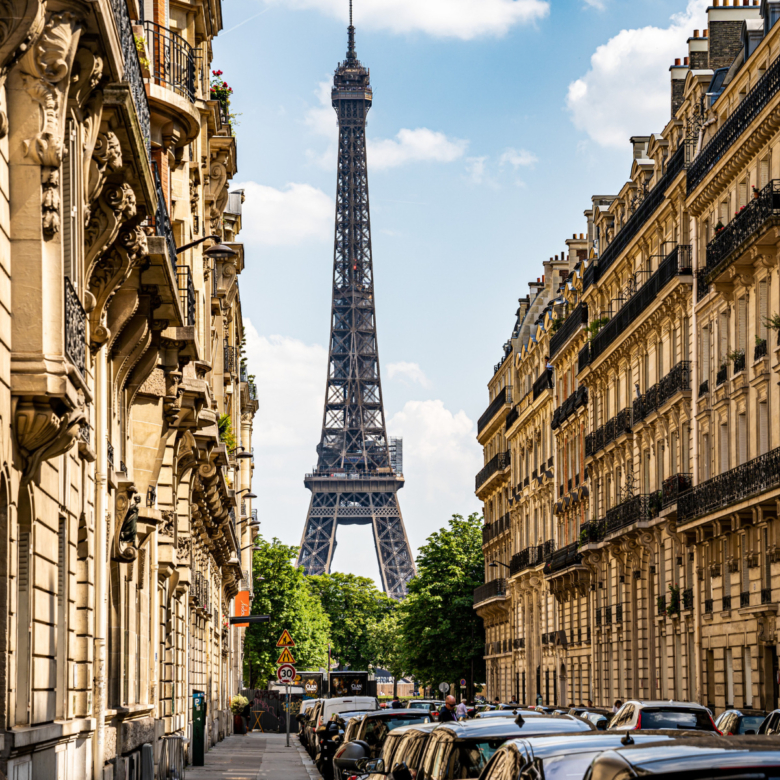
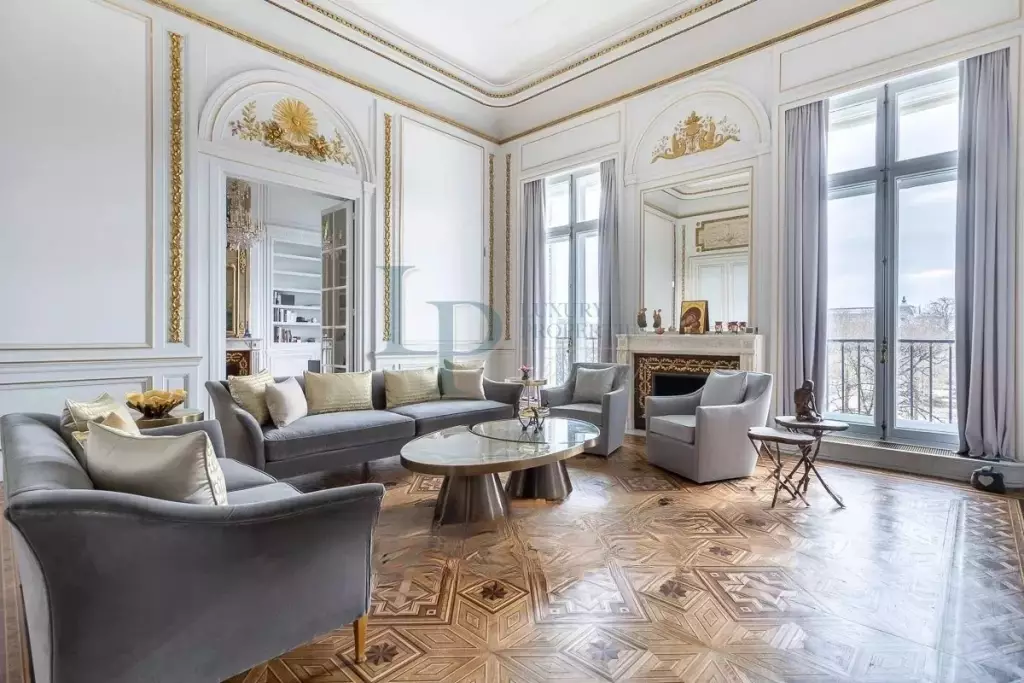
In the real estate sense of the term (let’s get back to the topic at hand…), we’ll be talking about exceptional locations, large floor areas, breathtaking views, rare amenities… and price.
It’s clear—even if everyone in the press is trying to reassure themselves and others by claiming the opposite—that the luxury sector is struggling. At least, in its usual sense. The more diplomatic version of this narrative is often: “Luxury is holding up better than the rest.” That is undoubtedly true. But what is even more true is that it has changed—at the very least, in its form and in the way it is consumed.
In the real estate sector, we’re seeing a shift toward a “ lifestyle ” approach rather than a focus on specific properties that meet standard criteria. The same is true in the travel industry: demand is shifting away from classic 5-star resorts on turquoise coastlines and toward “adventures” (albeit in settings that are still quite comfortable…): safaris, boutique hotels, cultural experiences, remote islands… On another level, the CEO of Airbnb has also noted strong growth in bookings for “unique” accommodations (treehouses, secluded spots, original themed and immersive experiences…).
While it’s true that a wealthy young Asian woman will always want a Hermès bag, she’d rather come to Paris to buy it (for the experience, the authenticity, the trip…) than in Hong Kong, even though that would be more convenient for her.
One thing, however, remains intangible: service. The world’s affluent clientele is willing—and will always be willing—to pay a premium for service that is perfect, original, flawless, and proactive. Perhaps there is still significant room for improvement in this area?
Standardization and ubiquity are detrimental to luxury. What is no longer rare is no longer expensive… Could too much luxury kill luxury? The wealthy are getting a little tired of the “déjà vu” and are always looking to set themselves apart (at the top). They create new trends, define for themselves what their own concept of tomorrow’s luxury will be, and reinvent themselves…
My advice: Keep a close eye on young people entering this demographic if you want to be able to adapt to their future needs (and whims…). This is undoubtedly one of the few real benefits of social media. It enables this early detection. Luxury is now consumed online.